Hinduism and Buddhism in Laos: A Story of Cultural and Spiritual Influence
The history of religion in Laos is deeply rooted in both Hinduism and Buddhism, which together shaped the spiritual, cultural, and political identity of the country. While Buddhism is the dominant religion in Laos today, Hinduism played an important role in the early formation of Lao civilization. These two religions arrived through trade, migration, and cultural exchange from India and neighboring regions, leaving lasting influences on Laos’ traditions, art, architecture, and social values. The blend of Hindu and Buddhist beliefs created a unique religious landscape that continues to define Lao society.
The Arrival of Hinduism in Laos
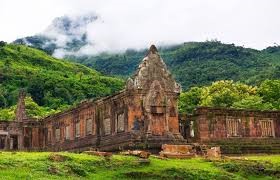
Vat Phou temple in Laos
Hinduism reached Laos many centuries ago through Indian traders and scholars who traveled along ancient trade routes connecting India with Southeast Asia. These travelers brought sacred texts, rituals, and philosophical ideas that gradually influenced local rulers and communities. Hinduism did not spread through conquest but through peaceful cultural exchange and diplomacy.
Early Lao kingdoms adopted elements of Hinduism, especially in royal ceremonies and governance. Sanskrit, the classical language of Hindu scriptures, became important for inscriptions and religious practices. Hindu concepts such as divine kingship and cosmic order influenced how rulers governed their kingdoms. Many kings believed they were chosen by the gods to rule, a belief that strengthened their authority and unity within the kingdom.
Hindu Influence on Lao Culture and Traditions
Although Hinduism never became the majority religion in Laos, its cultural impact was significant. Hindu mythology, symbols, and rituals became part of Lao traditions, particularly in royal ceremonies and festivals. Stories from Hindu epics like the Ramayana were adapted into local folklore and performing arts.
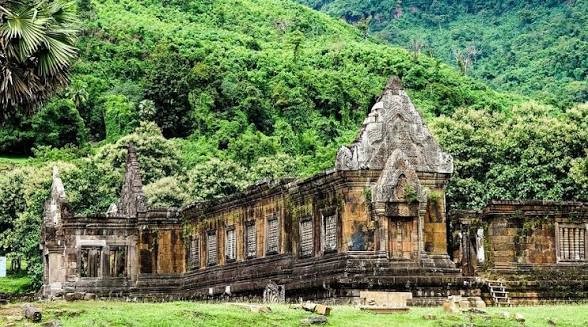
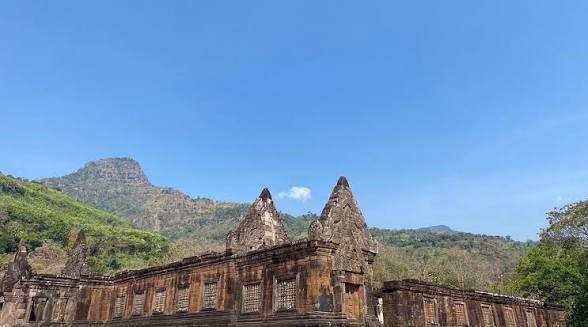
Wat Phu Temple in Laos
One example of Hindu cultural influence is the Lao version of the Ramayana, known as Phra Lak Phra Lam. This epic tells the story of Prince Rama and his brother Lakshmana in a uniquely Lao style, reflecting local customs and values. The story is performed in traditional theater and dance, preserving the connection between Hindu mythology and Lao culture.
The Rise of Buddhism in Laos
Buddhism became the dominant religion in Laos around the 14th century during the establishment of the kingdom of Lan Xang. The ruler Fa Ngum played a crucial role in promoting Buddhism as the official religion. He introduced Theravada Buddhism from neighboring regions, particularly from present-day Thailand and Cambodia.
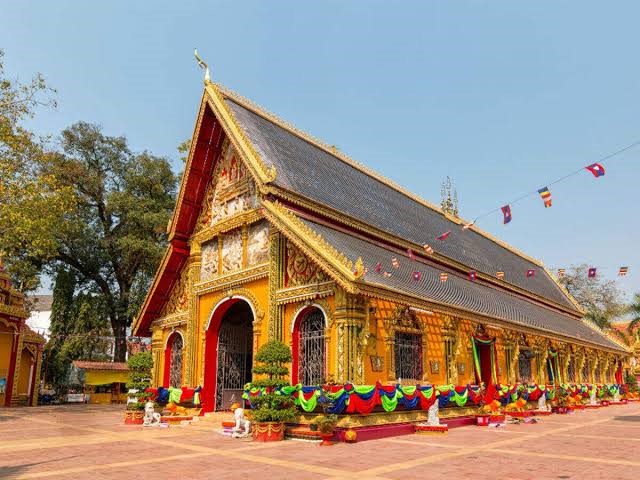
Wat Phu Temple in Laos
Theravada Buddhism emphasized moral conduct, meditation, and community harmony. Monasteries became centers of education, spirituality, and social life. Buddhist monks guided communities, taught children, and helped preserve cultural traditions. Over time, Buddhism became deeply integrated into daily life in Laos.
Important Buddhist Temples in Laos
One of the most important religious landmarks in Laos is Pha That Luang, a golden stupa that symbolizes national identity and religious devotion. Built in the 16th century, this sacred structure is considered the most important Buddhist monument in the country. It represents the unity of the Lao people and the strength of Buddhist faith.
Another significant temple is Wat Xieng Thong, known for its elegant architecture and beautiful carvings. The temple reflects the artistic excellence of Lao Buddhism and remains a center of worship and cultural celebration.
The Coexistence of Hinduism and Buddhism
In Laos, Hinduism and Buddhism did not compete but rather coexisted and blended together. Many Hindu beliefs and symbols were absorbed into Buddhist practices. For example, Hindu gods such as Brahma, Vishnu, and Shiva are sometimes depicted in Buddhist temples, showing the shared spiritual heritage of the two religions.
Festivals and rituals in Laos often reflect this combination of traditions. Ceremonies for protection, prosperity, and good fortune may include both Buddhist prayers and Hindu-inspired symbolism. This blending of beliefs created a harmonious religious culture that values respect, compassion, and community.
Buddhism in Modern Laos
Today, Buddhism is the main religion in Laos, followed by the majority of the population. Monasteries remain central to community life, and many young men spend time as novice monks to gain spiritual knowledge and discipline. Buddhist festivals, meditation practices, and temple visits are common aspects of everyday life.
The government of Laos recognizes Buddhism as an important part of national heritage. Religious education, temple restoration, and cultural preservation programs help maintain the country’s spiritual traditions. Tourism also plays a major role, as visitors from around the world travel to Laos to experience its peaceful temples and rich religious history.
Conclusion
Hinduism and Buddhism have both contributed significantly to the development of Laos’ culture, traditions, and spiritual identity. Hinduism laid the early foundations of royal ceremonies, mythology, and governance, while Buddhism became the guiding force of daily life and moral values. Together, these religions created a unique cultural heritage that continues to shape the identity of Laos today. The temples, festivals, and stories passed down through generations serve as lasting reminders of the deep spiritual connection between Hinduism, Buddhism, and the people of Laos.